.webp)
The Pulse of Resistance: Exploring Collective Psychology in City Defense
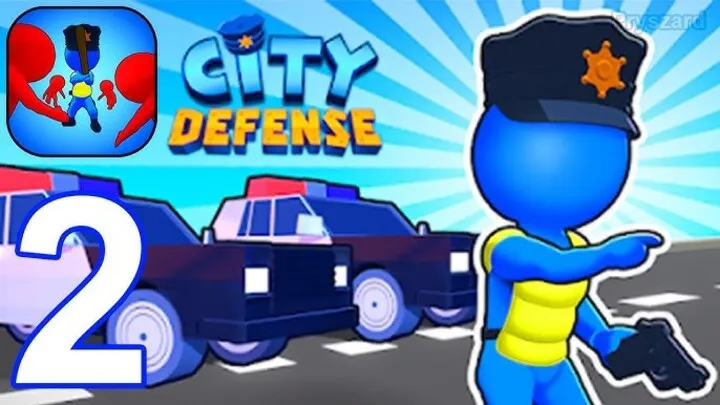
At first glance, City Defense seems like a straightforward tower defense game—a battle between structured civilization and the chaos that threatens it. But beneath the explosions, turrets, and tactical maps lies something more profound. City Defense isn’t just a strategy game—it’s a psychological simulation about unity, fear, and the fragile thread that holds societies together under pressure.
Unlike many defense games where success is purely mathematical, City Defense explores what happens when collective will becomes the real weapon. Its design choices—crowd mechanics, morale systems, and evolving threat behavior—reveal deeper questions: how do cities survive panic? How do individuals act when the line between safety and ruin blurs? And what does “defense” truly mean in a world constantly under siege?
This article delves deeply into that theme—the collective psychology of defense—exploring how City Defense transforms a tactical genre into a human drama of endurance and identity.
1. The Anatomy of Defense: What Are We Really Protecting?
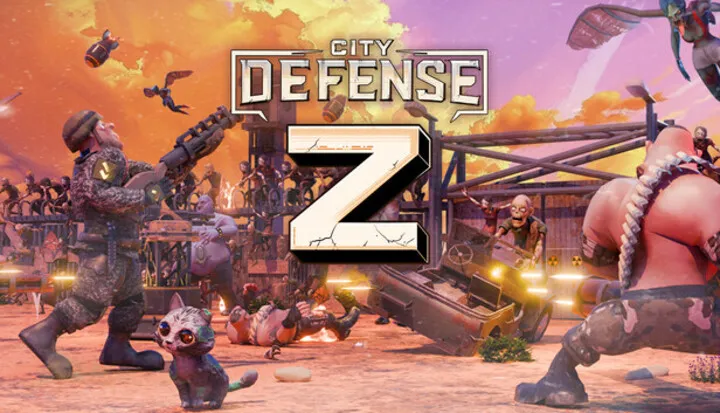
In City Defense, you don’t defend walls—you defend meaning. The city, rendered in bright but battered colors, becomes a symbol for everything structured and civilized. Each tower, each barricade, is not merely a tactical asset but an extension of human hope—the idea that safety is possible if we work together.
The first few levels teach you the mechanics: resource allocation, building placement, upgrade chains. But quickly, the game shifts tone. The enemies don’t just destroy—they infiltrate, spread panic, unravel morale. It’s no longer about the physical walls; it’s about psychological ones.
And that’s when the game’s brilliance begins to surface. You realize that “defense” isn’t just a strategic term—it’s emotional labor.
2. The Collective Mind: Citizens as an Organism
Most defense games reduce civilians to background scenery. In City Defense, they are living, breathing elements of your success. Citizens react to the environment—panicking when attacks intensify, cheering when defenses hold, migrating toward perceived safety.
This living ecosystem gives the city its pulse. If too many people panic, resource production drops. If morale rises, workers volunteer longer hours. Every individual choice feeds into a collective consciousness that feels organic, unpredictable, and deeply human.
By simulating the psychology of crowds, City Defense forces the player to think like both leader and empath. You’re not just managing a city—you’re managing emotion itself.
3. The Language of Panic: Fear as a Mechanic
Few games quantify fear the way City Defense does. Panic isn’t a simple “morale meter”—it’s dynamic. It spreads through proximity, sound, and sight. A single explosion in a marketplace can cause a chain reaction, emptying entire districts as citizens flee.
You can’t stop fear by force. Instead, you counter it with structure—rebuilding, communication, leadership. Deploying loudspeakers to calm people, sending medics to comfort survivors, rebuilding bridges of trust through visible action.
This mechanic redefines traditional “threat.” The real enemy isn’t always the invader—it’s the emotion that the invader creates.
4. The Architecture of Hope
One of City Defense’s most elegant systems lies in its urban design mechanics. You can shape the city’s architecture, and the layout itself becomes part of its emotional ecosystem. Parks, lights, community centers—all raise morale.
At first, this seems cosmetic. But over time, you realize these structures have psychological weight. Citizens move differently through well-lit districts. Panic spreads slower near gardens or music halls. The city becomes a living storybook of resilience.
In this, City Defense becomes an architectural meditation: the spaces we build reflect the values we protect.
5. The Enemy as Symbol: Chaos with Intent
Enemies in City Defense aren’t faceless monsters—they’re metaphors. Each type embodies a different societal threat. Some rush the walls in brute force—raw aggression. Others infiltrate and disguise themselves—deception. Some sap resources—corruption.
As the campaign progresses, these archetypes start to overlap. You face enemies that blur the line between external invaders and internal decay, suggesting that the city’s greatest threats often come from within.
This symbolic depth transforms what could have been a mechanical loop into an allegory about civilization itself: the endless cycle of building, breaking, and rebuilding.
6. The Sound of Survival: Audio as Emotional Architecture
The soundtrack of City Defense doesn’t simply accompany gameplay—it shapes it. Early stages feature calm orchestration, punctuated by distant drums. But as attacks intensify, the rhythm becomes erratic, layered with discordant notes that mirror panic.
Sound effects deepen immersion. The distant wail of sirens, the hum of generators, the clatter of citizens rebuilding—each creates a sensory language of resilience.
And then there’s silence. After heavy battles, when the city lies smoking but standing, the music fades to a low hum, forcing players to sit in the aftermath. That silence becomes the sound of survival—the pause between destruction and recovery.
7. The Ethics of Leadership
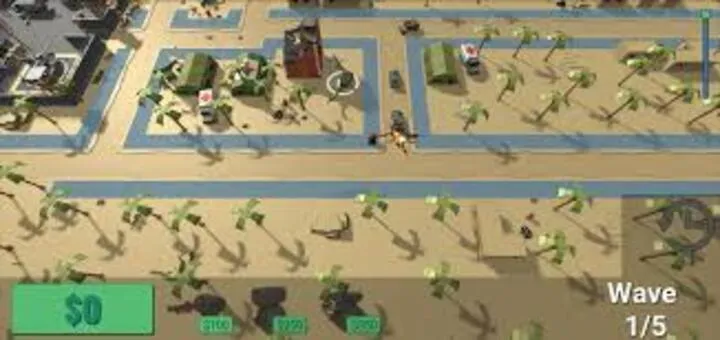
The deeper you go into City Defense, the more it challenges your morality. Do you sacrifice one district to save another? Do you use authoritarian methods to maintain order, or do you risk chaos for freedom?
Each decision ripples through the population. Heavy-handed policies stabilize morale temporarily but erode trust. Compassionate strategies inspire loyalty but slow production. There’s no clear right answer—only consequences that reveal your values as a player.
This moral tension elevates City Defense beyond simulation. It becomes a reflection of real-world governance—the impossible balance between safety, liberty, and human dignity.
8. The Resilience Loop: Destruction as Renewal
No defense lasts forever. Sooner or later, something breaks—a tower collapses, a wall falls, a district burns. But in City Defense, loss isn’t failure. It’s transition.
When a district is destroyed, citizens rebuild differently. They adapt. Structures evolve. New strategies emerge. Every failure teaches the city something, encoded in its architecture and social systems.
This cyclical rhythm mirrors nature—the idea that life persists through adaptation, not resistance alone. The city doesn’t survive because it’s strong; it survives because it learns.
9. The Invisible Heroes: Builders, Medics, and Planners
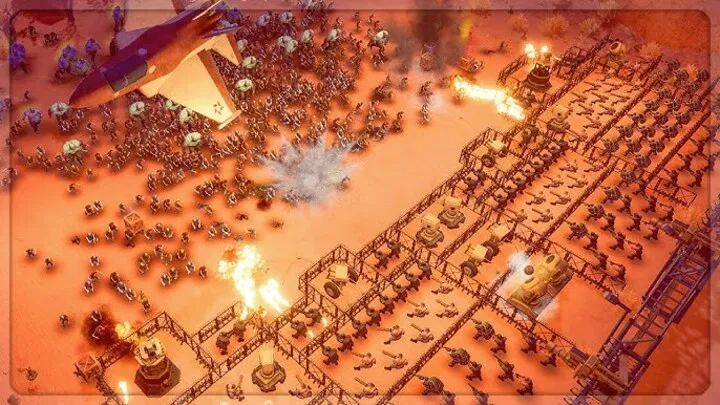
In most tower defense games, victory belongs to weapons. In City Defense, victory belongs to people who build. The unsung heroes are not the gunners or snipers, but the construction crews, medics, and engineers who work behind the scenes.
Their quiet persistence forms the emotional backbone of the city. When everything seems lost, it’s their steady labor—the slow reconstruction, the small acts of service—that restores hope.
This emphasis on non-combat roles redefines heroism. City Defense reminds players that civilization isn’t maintained by destruction, but by repair.
10. The Final Night: Unity and Identity
As the campaign reaches its climax, the final battles in City Defense are less about strategy and more about emotion. The entire city mobilizes—citizens volunteering, defenses glowing in the dark, every corner of the map alive with determination.
The final night feels like a collective heartbeat. You can almost sense the willpower of the people flowing through the structures you’ve built. When the dawn finally comes, victory doesn’t feel like conquest—it feels like continuation.
You haven’t just defended a city; you’ve defended the idea that people can come together, endure chaos, and rebuild stronger than before.
Conclusion
City Defense begins as a strategy game but evolves into a mirror for the human condition. Through its crowd mechanics, moral choices, and emotional systems, it reveals that defense isn’t about walls or weapons—it’s about trust, unity, and the fragile psychology of survival.
Every explosion, every scream, every act of rebuilding carries symbolic weight. The city becomes a living entity, shaped by fear but sustained by hope.
And in that, City Defense transcends its genre. It becomes not a game of protection, but a meditation on endurance—an exploration of how people stand together when everything around them falls apart.