.webp)
The Endless Rune Chase: How Rune Quality Defines Long-Term Progression in Summoners War

Summoners War has remained one of the most influential mobile RPGs for over a decade. Developed by Com2uS, the game combines monster collection, strategic team building, PvE progression, and highly competitive PvP. While players often focus on acquiring powerful Natural 5-Star monsters through summoning, experienced players eventually realize a different truth: monsters alone rarely determine success.
The real progression system revolves around runes. Every monster's performance depends heavily on the quality of its equipment. A common monster equipped with exceptional runes can outperform a premium monster wearing mediocre ones. This creates one of Summoners War's most defining long-term design characteristics: progression becomes increasingly dependent on endless rune farming rather than monster acquisition.
Early progression feels rewarding because almost every new rune improves an account. However, as players approach late-game content, meaningful upgrades become extraordinarily rare. The search shifts from obtaining usable runes to chasing nearly perfect stat combinations with ideal efficiency rolls. At that point, progression slows dramatically despite hundreds of hours of continuous farming.
This article explores how rune quality evolves into the primary progression bottleneck in Summoners War, why this system creates remarkable strategic depth, and how its heavy reliance on randomness influences long-term player motivation.
Early Progression Rewards Nearly Every Rune
The beginning of Summoners War offers a satisfying sense of constant improvement.
Players quickly earn runes from:
- Scenario stages
- Giant's Keep
- Dragon's Lair
- Beginner events
Because monster statistics are initially low, almost every higher-star rune provides a noticeable increase in combat performance.
Learning Basic Rune Sets
Early players focus on understanding:
- Swift
- Violent
- Fatal
- Energy
- Blade
At this stage, completing a rune set is more important than perfect substats.
Progression feels fast because upgrades appear frequently.
Equipment Matters More Than Monsters
Many beginners assume stronger monsters guarantee success.
Instead, they discover that properly runed low-rarity monsters can outperform poorly equipped premium units.
This lesson shapes every future progression decision.
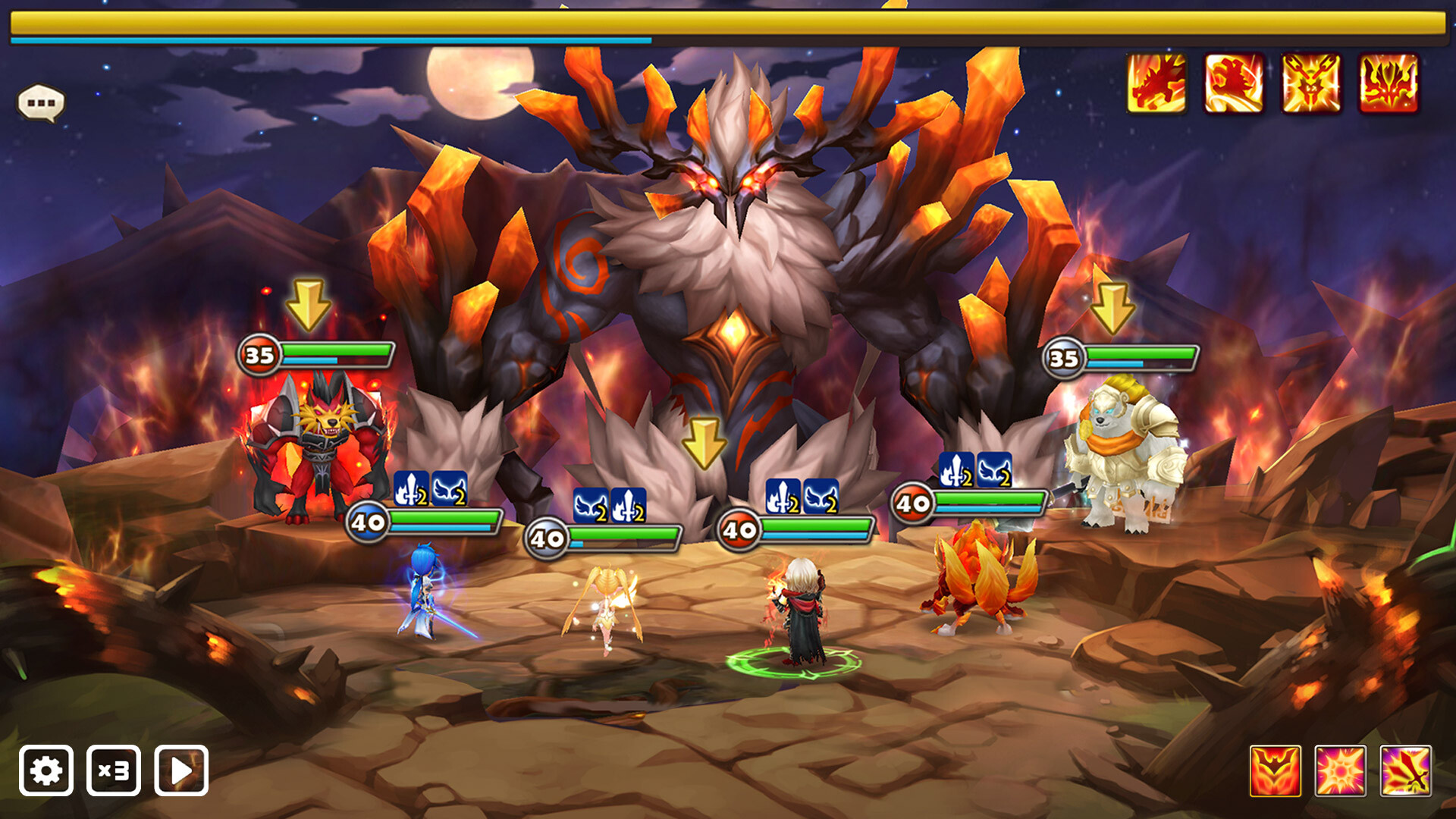
Mid-Game Introduces Rune Efficiency
After clearing early PvE content, players begin evaluating runes differently.
Raw rarity is no longer enough.
Understanding Substats
Players start examining:
- Speed
- Critical Rate
- Critical Damage
- HP%
- DEF%
- Accuracy
- Resistance
The importance of substat combinations quickly becomes apparent.
Every Roll Matters
A Legendary rune is not automatically valuable.
If upgrades repeatedly increase flat Defense instead of Speed or HP%, the rune may become unusable for competitive content.
Rune quality depends on how upgrades distribute among substats, not simply on rarity.
Farming Dungeons Becomes a Permanent Activity
Eventually, dungeon farming replaces nearly every other activity.
Giants, Dragons, and Necropolis
Each dungeon offers specialized rune sets.
Players repeatedly clear:
- Giant's Keep
- Dragon's Lair
- Necropolis
- Spiritual Realm
- Steel Fortress
Thousands of runs may produce only a handful of worthwhile upgrades.
Progress Slows Naturally
Early farming provides visible improvements every day.
Later, players may spend weeks without finding a meaningful upgrade.
The game's progression curve becomes increasingly horizontal.
Speed Rolls Become the Most Valuable Resource
Among every rune statistic, Speed gradually dominates competitive gameplay.
Why Speed Matters
Acting first allows players to:
- Control enemy teams
- Apply debuffs
- Increase survivability
- Secure early eliminations
Turn order often determines the outcome before significant damage is dealt.
The Search for High-Speed Runes
Players chase runes with:
- High base Speed
- Multiple Speed upgrades
- Efficient supporting substats
Perfect Speed rolls become extraordinarily rare.
Entire accounts may farm for months seeking only one improvement.
Rune Efficiency Outweighs Rune Quantity
Owning thousands of runes does not necessarily strengthen an account.
Quality Over Inventory
Experienced players frequently sell runes that appear impressive but lack efficient stat distribution.
Instead, they prioritize:
- High efficiency
- Useful substat synergy
- Flexible stat allocation
Every inventory decision affects long-term progression.
Efficiency Calculations
Late-game players often calculate rune efficiency mathematically.
Factors include:\
- Maximum potential rolls
- Useful stat combinations
- Grindstone compatibility
Optimization replaces simple collection.
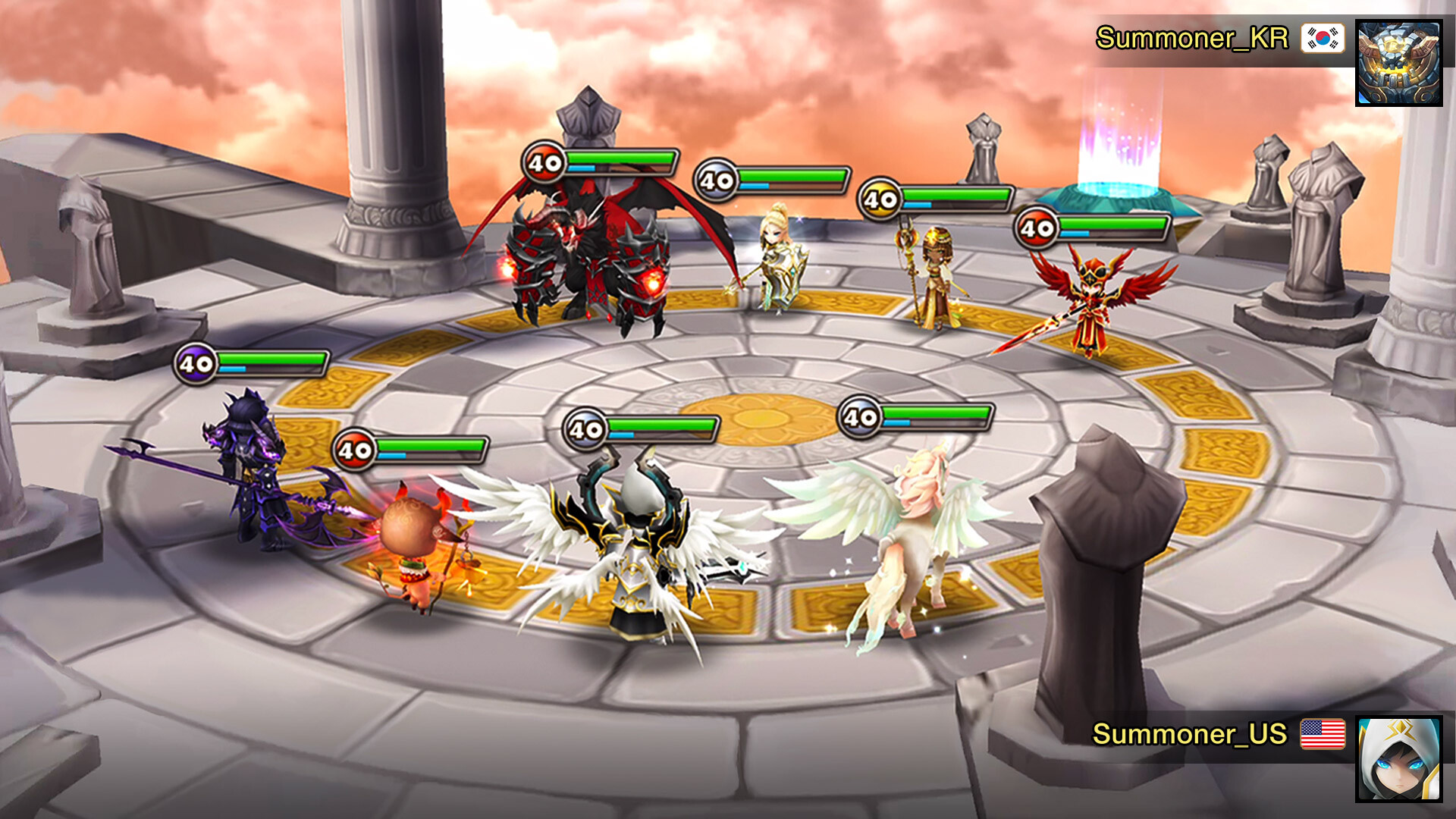
Reappraisal Stones Add Another Layer of Randomness
When players finally obtain an excellent Legendary rune, improvement is not guaranteed.
Reappraisal Mechanics
Reappraisal Stones reroll rune substats while preserving:
- Rune set
- Slot
- Main stat
- Grade
This system offers hope for upgrading valuable runes.
Success Remains Unpredictable
Unfortunately:
- Excellent runes may become unusable.
- Poor rolls may repeat multiple times.
- Months of preparation can produce disappointing results.
Randomness persists even after obtaining rare equipment.
Rune Distribution Across Monsters Creates Strategic Decisions
A single powerful rune cannot equip multiple monsters simultaneously.
Prioritizing Core Teams
Players must decide which monsters deserve their strongest equipment.
Examples include:
- Arena offense
- Arena defense
- Siege battle
- World Arena
- PvE farming
Every decision carries opportunity costs.
Constant Rearrangement
As new monsters arrive or strategies evolve, players frequently reorganize their rune inventory.
This process often becomes as important as acquiring new equipment.
PvP Magnifies Rune Differences
Competitive modes expose even small efficiency gaps.
High-Level Arena
Two identical monsters may produce vastly different outcomes depending on rune quality.
Differences of only:
- Five Speed
- Ten Accuracy
- Eight Critical Damage
can determine entire matches.
World Arena Demands Optimization
World Arena places additional pressure on rune quality because:
- Drafting varies every match.
- Multiple monsters require premium equipment.
- Flexibility becomes essential.
Strong rune depth matters more than individual monster strength.
The Psychological Effect of Endless Farming
Rune farming creates a unique motivational cycle.
Every Battle Offers Hope
Each dungeon completion could theoretically produce:
- A perfect Legendary rune
- An ideal Speed roll
- A missing upgrade
This possibility encourages continued play.
Rare Rewards Increase Emotional Impact
Because upgrades become so infrequent, finding an exceptional rune feels extremely rewarding.
However, long periods without progress can also create frustration and burnout.
The emotional highs and lows are driven almost entirely by randomness.
Balancing Randomness with Long-Term Progression
Rune farming gives Summoners War extraordinary longevity.
It also creates one of its biggest design challenges.
Strengths of the System
The rune system:
- Rewards dedication
- Encourages optimization
- Supports diverse monster builds
- Creates meaningful progression
It ensures that experienced players always have another goal to pursue.
Areas for Improvement
However, excessive randomness can:
- Slow progression dramatically
- Discourage experimentation
- Increase repetitive grinding
- Make upgrades feel unattainable
Possible improvements could include:
- Better crafting options
- Targeted substat enhancement
- Dungeon pity systems
- Additional deterministic progression paths
Such features would preserve long-term goals while reducing excessive dependence on luck.
Summoners War is often recognized for its enormous monster roster and exciting summoning system, but neither represents the game's true progression engine. As players advance into mid- and late-game content, rune quality gradually becomes the deciding factor behind every success, from PvE farming efficiency to high-level PvP competition.
This design gives the game exceptional strategic depth. Building powerful monsters requires far more than acquiring rare units—it demands careful optimization, efficient resource management, and an understanding of complex stat interactions. Every rune tells a story of countless dungeon runs, difficult upgrade decisions, and the constant pursuit of incremental improvement.
At the same time, the system illustrates the delicate balance between rewarding dedication and relying too heavily on randomness. Endless farming creates long-term engagement, but it can also slow progression to the point where meaningful upgrades become exceptionally rare.
Ultimately, Summoners War demonstrates that true power is not determined by the monsters players summon, but by the quality of the runes they patiently earn. In the long run, the endless pursuit of perfect equipment defines the game's competitive identity far more than luck alone.