.webp)
Power Creep in Dota 2: The Silent Evolution That Changed the Soul of the Game
Dota 2 is one of the most complex and strategically rich MOBA titles ever created. Over more than a decade, the game has evolved constantly—shaped by patches, hero reworks, the professional scene, and the expectations of millions of players. Yet among all these changes, one issue stands out as subtle, controversial, and deeply influential: power creep—the gradual increase in hero strength, item efficiency, and game mechanics over time.
This article explores in depth how power creep formed, how it unfolded through each era of Dota 2, and how it fundamentally reshaped gameplay, strategy, and player experience. We analyze the timeline of changes, extract design patterns, and evaluate what power creep means for the future of the game.
1. The Early Era: When Simplicity Maintained Stability (2013–2015)
In the early years following Dota 2’s official release, Valve’s priority was replicating the original DotA Allstars experience. Heroes were transferred almost identically from Warcraft III, retaining their strengths, weaknesses, and mechanical quirks. Power creep did not exist yet because the game still relied on the foundation built for an entirely different engine.
Back then, every hero came with distinct weaknesses. Anti-Mage was useless before Battle Fury. Spectre needed 30+ minutes to be relevant. Earthshaker was slow and mana-starved. Shadow Fiend was strong but extremely fragile. These weaknesses were not accident—they created natural balance and forced players to adapt through skill.
Items also offered far fewer ways to erase hero flaws. If a hero was weak at something, players had to compensate through gameplay rather than item shortcuts. This kept the meta predictable, disciplined, and strategically pure.
2. The First Seeds of Power Creep (2015–2017)
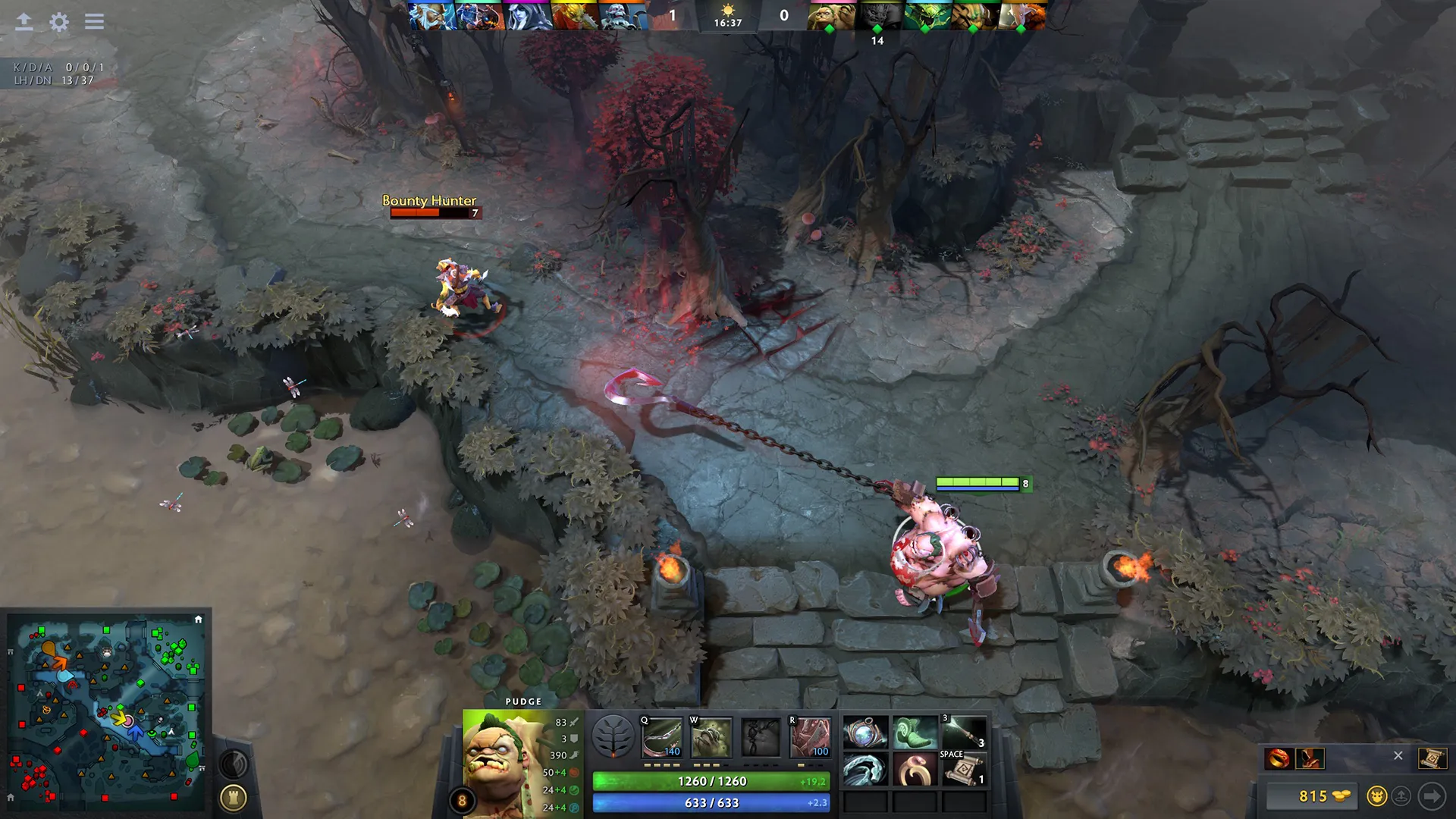
Power creep first emerged through new items, not heroes. Items like Glimmer Cape, Solar Crest, Octarine Core, and Lotus Orb introduced utility and stat bonuses previously unavailable.
These items began “patching over” hero weaknesses. A squishy support could now escape with Glimmer. A low-armor hero could suddenly tank using Solar Crest. Sustain and cooldown reduction became accessible to all.
The effect was subtle but meaningful:
heroes were becoming less defined by weaknesses and more by universal tools.
This marked the first shift toward a “broader but stronger” game environment.
3. The Shockwave Moment: Talent Trees (2017)
If one update forever changed Dota 2’s power ceiling, it was patch 7.00 and the introduction of the Talent Tree.
Instantly, every hero became stronger. Permanently stronger. Talents granted damage, mobility, survivability, utility, and even entirely new effects that previously didn't exist in any form.
Examples include:
- Lina gaining large bonus attack damage to dominate lanes
- Treant Protector getting massive HP regen and becoming unkillable
- Juggernaut fixing his mobility through bonus movement speed
Before talents, heroes were built around trade-offs. After talents, players could erase specific weaknesses based on matchups.
This transformed Dota 2 design philosophy from “unique heroes with strengths and flaws” into “flexible heroes that can adapt to anything.”
4. The Era of Overloaded Hero Kits (2018–2020)
During this time, Valve released heroes like Pangolier, Grimstroke, and Mars—each with highly complex kits containing multiple mechanics: mobility, stun, damage reduction, displacement, area control, and more.
Compared to older heroes like Sniper or Wraith King, these new heroes simply had more:
more abilities, more mechanics, more synergy, and fewer exploitable weaknesses.
This forced Valve to buff and rework older heroes just to keep them competitive, triggering a loop of rising power levels.
Power creep had shifted from items → talents → hero design itself.
5. Neutral Items and the Explosion of Free Power (2020–2022)
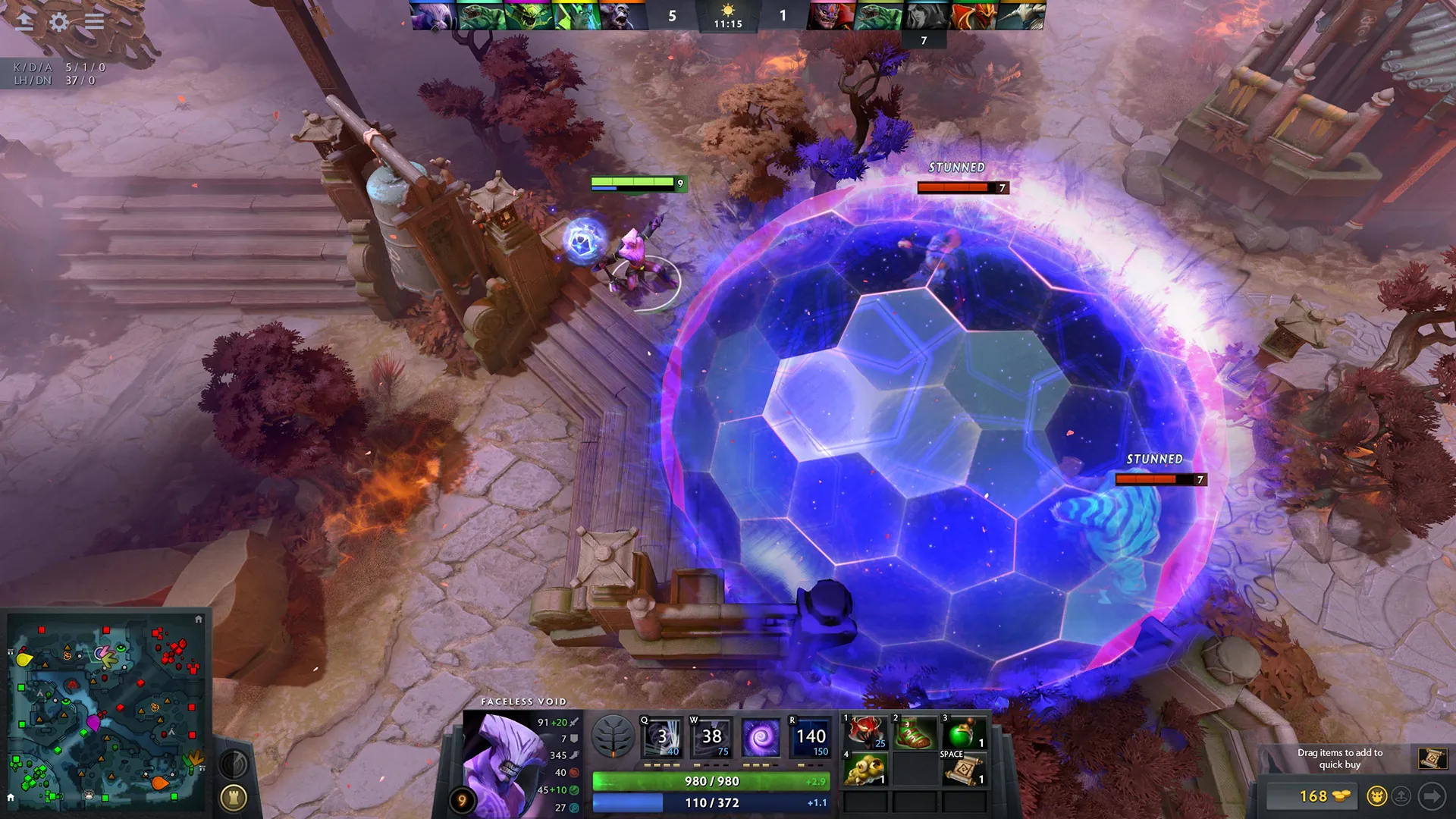
Neutral items introduced in patch 7.23 were perhaps the most chaotic injection of power in Dota 2’s history. Suddenly, heroes gained:
- free stats
- free mobility
- free disables
- free spell amplification
- late-game super-artifacts like Mirror Shield and Fallen Sky
This was power creep without cost. Unlike traditional items, neutral items bypassed decision-making, gold investment, and timing control. A weak hero could become strong by pure luck.
This shook the core identity of itemization—a cornerstone of Dota 2 macro strategy—and distorted the balance between player skill, item choices, and RNG.
6. Map Reworks and Resource Inflation (2022–2023)
Valve expanded the map, added Lotus Pools, Tormentors, new jungle camps, and redesigned Roshan mechanics. These changes dramatically increased the net worth and experience available to teams.
More resources mean faster power spikes. Heroes that previously needed 25–30 minutes to become dangerous were now dominating at minute 15.
This created an environment where the pace of the game accelerated dramatically. Teamfights erupted more frequently, and mistakes were punished twice as hard due to inflated damage output and earlier item timings.
This is a textbook example of systemic power creep directly caused by game-wide economic changes.
7. The Negative Consequences of Power Creep (2023–2024)
After years of cumulative power creep, several major issues surfaced across all skill brackets.
1. Overloaded Heroes
Modern heroes often have stuns, mobility, sustain, and nukes all in one kit. Classic heroes feel outdated, simple, and underpowered.
2. Faster Time-to-Kill
Players die in fractions of a second. Tactical reactions matter less. Teamfights are resolved before supports can even cast a spell.
3. Increased Complexity for New Players
The game has more mechanics, more micro-decisions, and more interactions than ever. The learning curve steepens every year.
4. Drafting Loses Sharp Identity
When every hero can fill multiple roles and erase weaknesses with talents, items, or neutral items, team compositions become homogenized.
Power creep didn’t kill the game—but it fundamentally changed its nature from methodical and tactical to chaotic and fast-paced.
8. Community and Professional Reactions
Many pro players openly criticize the modern state of power creep.
Puppey once mentioned heroes today have “too many buttons.”
N0tail said the game feels “faster than the human brain should handle.”
Ame has pointed out that many modern heroes simply have no real weaknesses.
But not everyone dislikes it.
A large portion of the casual playerbase enjoys explosive gameplay, fast-paced fights, and the highlight moments that power creep enables. For many new players, slow and methodical Dota 2 would feel outdated.
This split in preference reflects a deeper philosophical divide about what Dota should be.
9. Valve’s Attempts to Reduce Power Creep
Valve has repeatedly tried to tone down power creep through:
- Removing overpowered neutral items
- Reducing map gold and XP
- Weakening extreme talents
- Nerfing mobility skills
- Reverting some hero buffs
- Increasing spell cooldowns to punish overload kits
However, reducing power creep is extremely difficult.
It develops over years, and heavy nerfs risk alienating players who enjoy modern gameplay pacing. Too little nerfing, however, fails to solve the core problem.
Balancing between old-school and modern Dota is one of Valve’s biggest long-term challenges.
10. The Future of Dota 2: Can Power Creep Be Controlled?
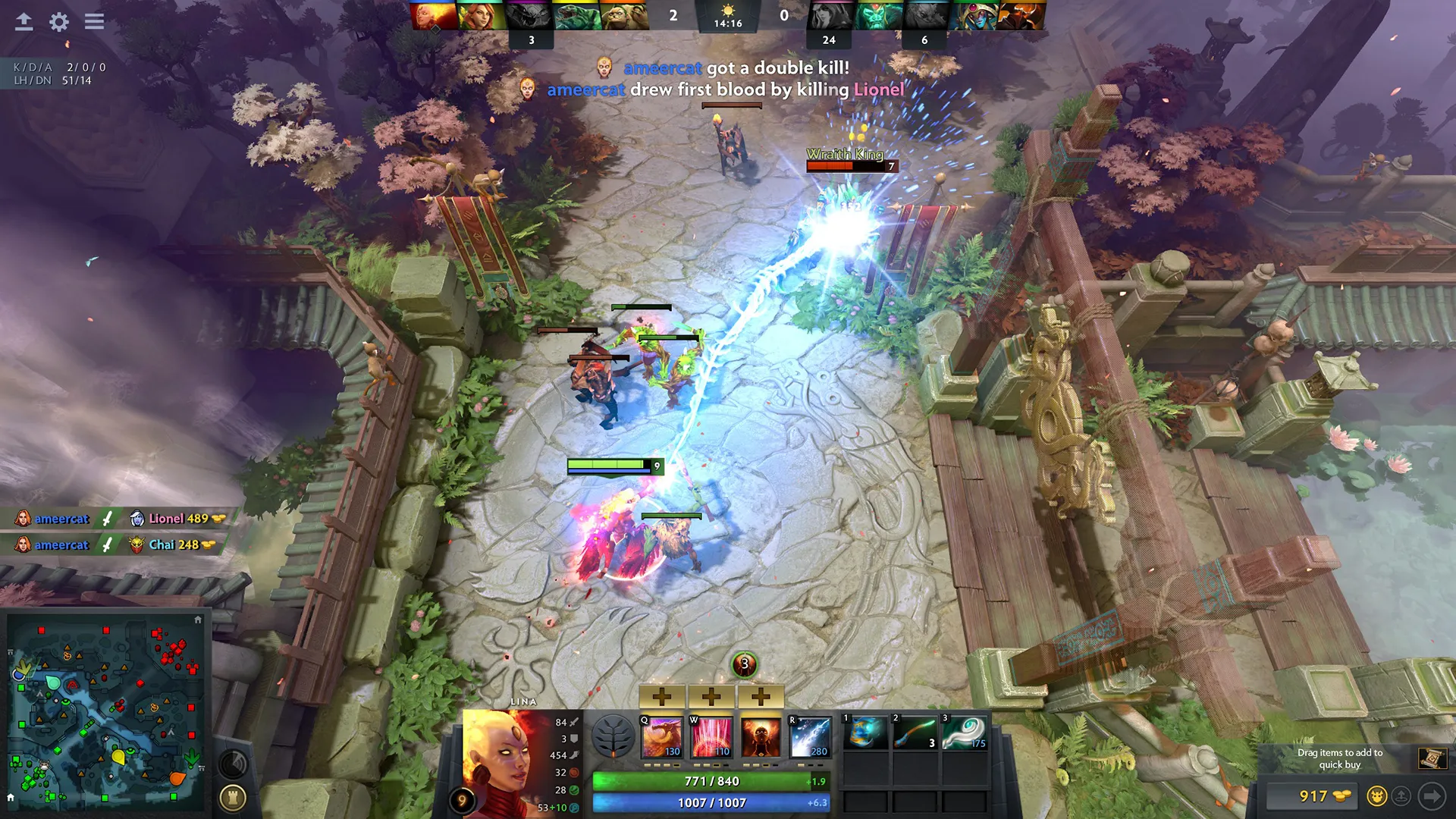
Power creep is not inherently negative. Many games use it intentionally to keep gameplay fresh. But Dota 2 is unique because its depth comes from asymmetric hero design—specific strengths, specific weaknesses, and clear trade-offs.
For Dota 2 to remain healthy long-term, Valve may need to:
- Reinforce weaknesses in newer heroes
- Trim excessive hero mechanics
- Reduce the impact of free power like neutral items
- Prioritize clarity and readability over complexity
- Create new heroes with clearer trade-offs
- Maintain strategic diversity over raw damage or mobility
The ideal direction for the future is not removing power creep entirely but balancing it intelligently—keeping the game thrilling while preserving the elegance that defined classic Dota.
Conclusion
Power creep has reshaped Dota 2 across the last decade. It made heroes stronger, games faster, and big plays more spectacular. But it also blurred hero identities, reduced strategic clarity, and increased the barrier to entry for new players.
Dota 2’s soul lies in the delicate interplay of strengths and weaknesses, and power creep risks diluting that identity. Valve’s mission is not to undo the past, but to guide future patches with intention—so the game remains exciting yet balanced, modern yet mindful of its roots.
If Valve successfully navigates this balance, Dota 2 can continue evolving while preserving the essence that made it one of the greatest competitive games in history.