.webp)
How to Build the Perfect Pet Sanctuary in Floof My Pet House

Floof My Pet House isn’t just a pet care simulation—it’s a living, breathing world of cozy furballs, creative interior design, and heartfelt interactions. It’s a game about connection: between you and your pets, between order and chaos, and between the digital and emotional space that makes raising virtual animals so personal. In this guide, we’ll dive deep into how to build the perfect pet sanctuary—one that balances happiness, design, and strategy.
This is not your average “feed, play, repeat” experience. Instead, we’ll explore how to create harmony—how to design spaces that foster emotional balance, manage pet personalities, and construct an aesthetic home that reflects the warmth of your heart. From the architecture of comfort to the psychology of pet happiness, every decision matters.
1. Understanding the Soul of Floof My Pet House
Before decorating or collecting, you must understand what Floof My Pet House really wants from you—it’s not perfection but empathy.
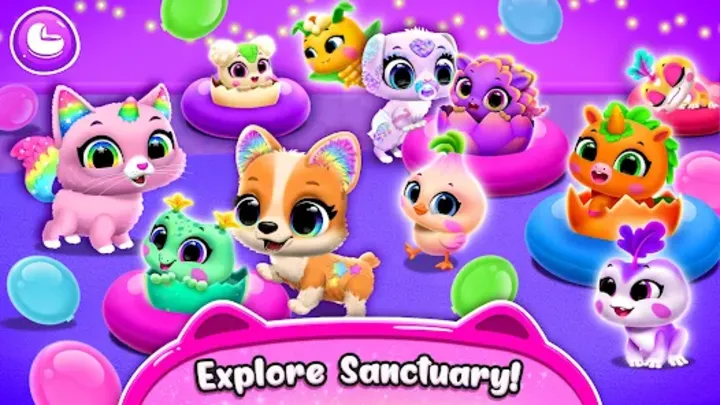
The Emotional Core of Floof
Each pet carries distinct moods and needs. While gameplay mechanics center around feeding and cleaning, the heart of the game lies in emotional synchronization. The more you empathize with each pet’s individuality, the more your sanctuary thrives.
Why Emotional Connection Matters
Ignoring emotional cues—like when a pet sulks or avoids its bed—leads to unhappiness that spreads. Emotional connection is the invisible thread that holds your house together, affecting every system from room design to social interactions.
2. Building the Foundation: The First Room
Your starting room sets the tone for the entire sanctuary. Every piece of furniture, toy, or texture shapes the atmosphere of your space.
Choosing Layout Over Luxury
New players often focus on luxury decorations, but layout trumps extravagance. Pets in Floof react dynamically to object placement. Too much clutter can make them anxious, while open space allows smoother pathfinding and happier playtime.
The Power of the First Impression
When a pet enters a newly built area, it experiences a “mood trigger.” Lighting, wall color, and item arrangement affect this. Warm tones and circular arrangements generate calmness, while straight lines and dark corners increase tension.
3. Personality Management: Knowing Your Floofs
Each pet is more than a name and a fur color—it’s a bundle of personality traits that interact with others.
Pet Archetypes
- The Adventurous: loves open spaces, toys, and interactive décor.
- The Shy: prefers quiet corners and minimal noise.
- The Attention-Seeker: demands eye contact, petting, and vibrant colors.
Understanding archetypes helps balance your home layout. Pairing opposite personalities in shared rooms may create chaos—or unexpected harmony.
Balancing Energy Levels
Energy is the resource behind every pet’s behavior. If one pet is over-stimulated, it may disrupt others. Routine activities like synchronized feeding or group play help maintain energy balance.
4. Designing with Purpose: Aesthetic Meets Function
The beauty of Floof My Pet House lies in functional beauty. Your designs must not only please the eye but fulfill behavioral needs.

Thematic Design Philosophy
A great pet house has a narrative. Choose a design theme—like “Nature Haven” or “Modern Cozy”—that reflects your pets’ personalities. This gives visual coherence while reinforcing emotional stability.
Material Matters
Each object has texture and scent values. Wooden furniture feels natural and calming, while plastic creates a sterile tone. Experiment with combinations to find what resonates with your pets’ temperament.
5. Creating Daily Rhythms: The Flow of Time
Floof My Pet House operates on a subtle day-night rhythm that affects mood, appetite, and activity.
Morning Calm and Evening Warmth
Morning routines are best for feeding and cleaning, while evenings enhance bonding activities. The lighting system in the game amplifies emotional tone—dim, amber lights foster relaxation before bedtime.
Event Scheduling
Certain pets react to predictable schedules. Maintaining consistency—feeding at the same time daily, or playing before sleep—creates trust and stability within your household ecosystem.
6. Advanced Emotional Design: Beyond Comfort
Comfort is only the surface. True mastery comes when you shape emotions through sensory design.
The Role of Sound
Background music and ambient noises in Floof My Pet House directly influence pet behavior. Gentle melodies soothe shy pets, while rhythmic beats energize active ones. Silence, too, has power—it helps regulate overstimulation.
Lighting as Storytelling
Light tells emotional stories. A well-placed lamp can simulate sunlight for indoor pets, while candles or lanterns create zones of intimacy. Changing lighting through the day makes your sanctuary feel alive and reactive.
7. The Ecosystem of Interactions
Your house isn’t a static structure—it’s a social ecosystem with evolving relationships between pets, objects, and you.

Social Bonding Between Pets
Pets observe and mimic one another. If one becomes happy or agitated, the emotion spreads through subtle animation cues. Understanding this ripple effect helps you build social harmony.
Player as Mediator
You’re not just a caretaker—you’re a social architect. Intervene gently when conflicts arise, or rearrange spaces to avoid tension. The key is to guide, not control.
8. Decorating for Emotional Impact
Interior design in Floof My Pet House carries emotional consequences. Every object you place creates a psychological echo.
The Art of Balance
Avoid over-decoration. Pets need visual breathing room. Too many items create noise, too few create loneliness.
The Symbolism of Colors
- Green: comfort and natural peace.
- Yellow: optimism and friendliness.
- Blue: trust and focus.
- Red: excitement and dominance (use sparingly).
Each color influences pet behavior in subtle ways. Choosing palettes that match emotional goals can transform your sanctuary’s tone.
9. When Chaos Arrives: Managing Disorder
Even in a peaceful sanctuary, chaos inevitably creeps in—mess, mood swings, or pet rivalries.
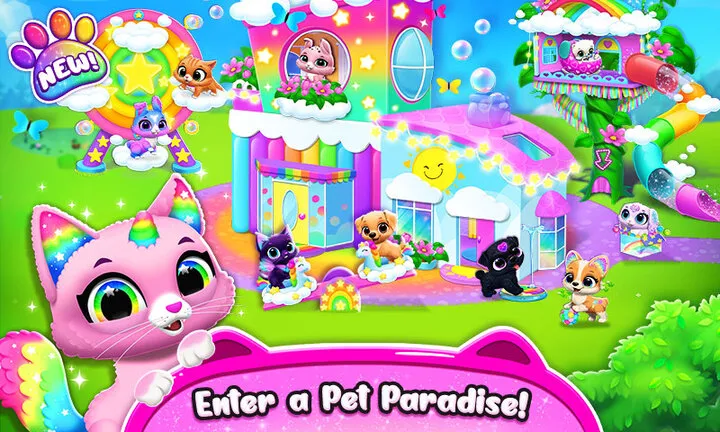
Understanding Behavioral Spirals
Neglecting emotional signals causes small problems to escalate. A single upset pet might trigger a chain reaction that affects others’ appetite and sleep.
Restoring Harmony
To reset, change environmental stimuli: rearrange furniture, add new toys, or take pets outdoors. Chaos becomes an opportunity to renew your home’s energy.
10. The Philosophy of the Perfect Pet Home
Ultimately, building the perfect pet sanctuary isn’t about efficiency or wealth—it’s about emotional architecture.
Floof as Digital Mindfulness
The game teaches presence and empathy. Caring for pets becomes an act of mindfulness, a slow rhythm of observation and gentle response.
The Sanctuary as Reflection
Your Floof home mirrors your inner balance. A chaotic player often builds chaotic spaces; a mindful one creates harmony. The game quietly teaches emotional awareness through the act of creation.
Conclusion
Building the perfect sanctuary in Floof My Pet House isn’t about mastering systems—it’s about mastering yourself. The game rewards patience, empathy, and creative intuition. It transforms digital pet care into a living metaphor for connection, routine, and self-reflection. Each room becomes a poem written in fur, color, and light. When your pets thrive, so do you.